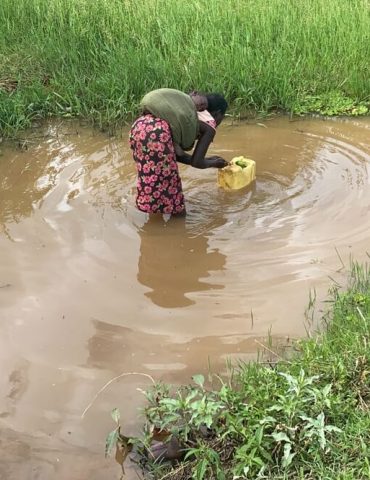
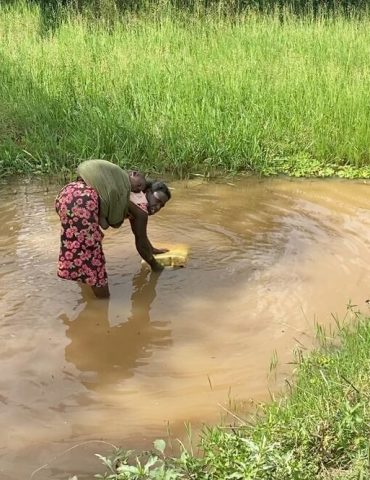
Uganda is a low-income country and is ranked in the bottom 15% in the UN’s human development index and this explains the poor water infrastructural development in the country. It should be noted that almost half of the population in the country lack basic access to clean and safe drinking water. Focusing on greater Masaka region, JK Arms staff through survey discovered that only the wealthiest people in the town manage to get access to clean water unlike the poorest percentage in the villages that survive on poor mud water. These people are more likely to acquire water borne diseases due to poor water conditions.
According to UNICCEF, Waterborne diseases are one of the top killers of children under the age of five and one of the main causes of under nutrition. In most cases children get these diseases by drinking unsafe water or coming into contact with contaminated hands -theirs or parents that have not been washed by soap. Children being our priority, we believe that Water and sanitation are essential for their life and health, they are human rights, fundamental to every child and adult.
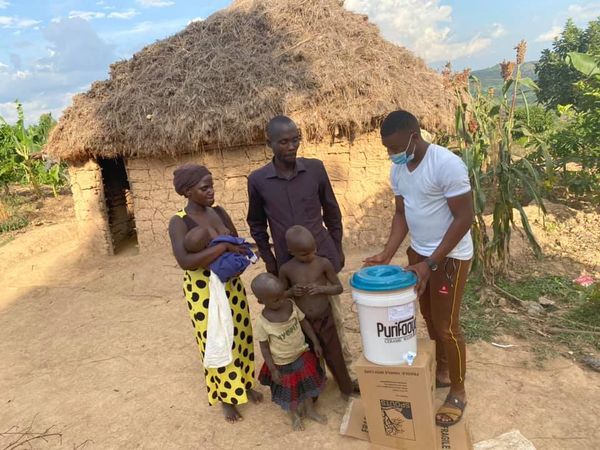
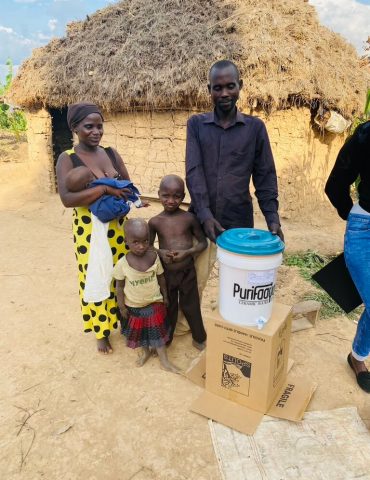
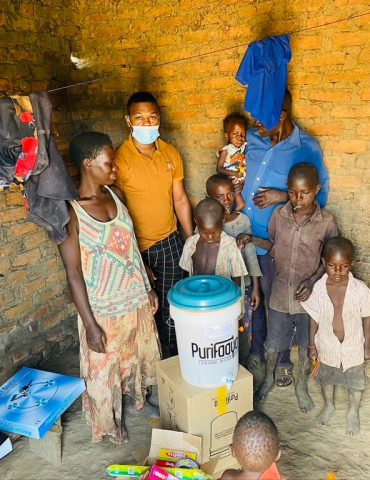
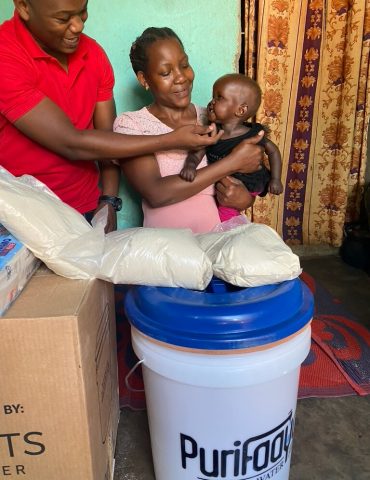
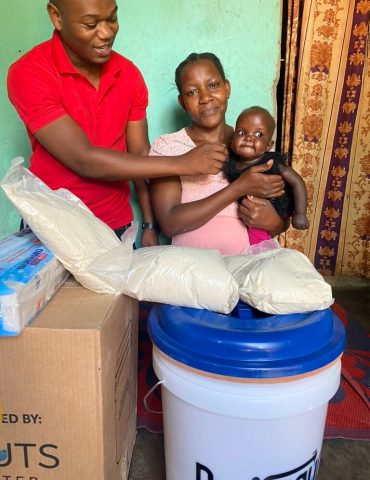
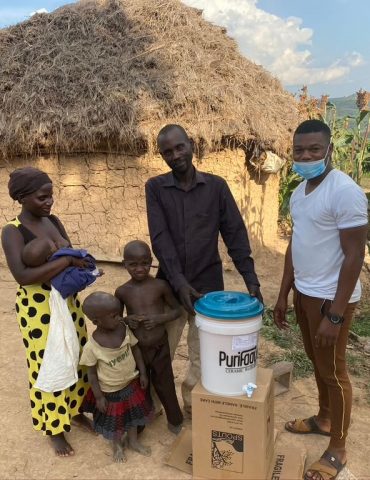
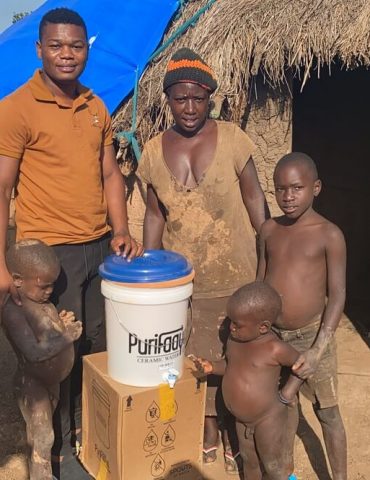
JK Arms for charity foundation in an effort to provide clean and safe drinking water provides individuals and families with water filters (PURIFAAYAS). However, this is individual based and only provides a temporally solution.
JK Arms would wish to extend water provision to the bigger community through boreholes and pipe water. This can be achieved with your help and support.
JK Arms through its water and sanitation program would wish to extend water provision to a bigger community through constructing boreholes. This would provide a permanent solution of water access to vulnerable community members. This can be achieved with your help and support.
How We Create Positive Change:
In 2020, we started giving out water purifiers to families, to help in the water filtration processes to encourage drinking safe and clean water, hence reducing water diseases like typhoid and other dangerous bacteria. Therefore this being followed and done reduced the higher chances of citizens contracting to water-borne diseases at a rate of 70%.